


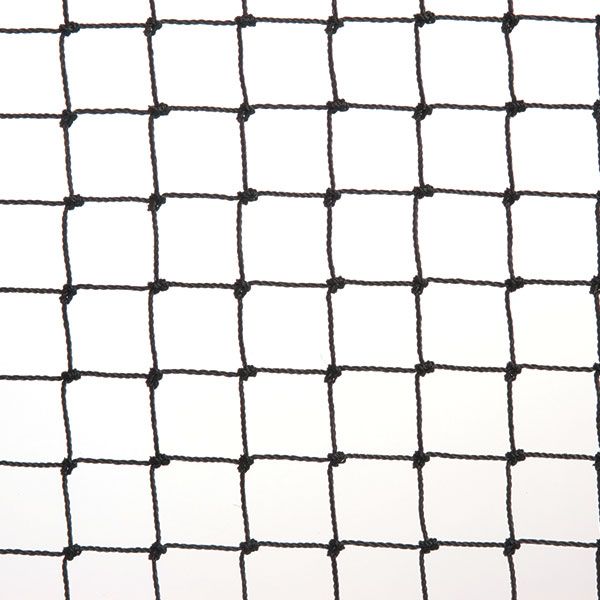
Professional bird netting
Choose the right net for the bird species and site
Knotted polyethylene bird netting creates a physical barrier for balconies, façades, roofs, warehouses and other protected areas. Start with the correct mesh size.
- ✓ 19 mm – small birds
- ✓ 28 mm – starlings and medium birds
- ✓ 50 mm – pigeons and larger birds
ⓘ Each product is available in several dimensions. Select the required size on the product page.
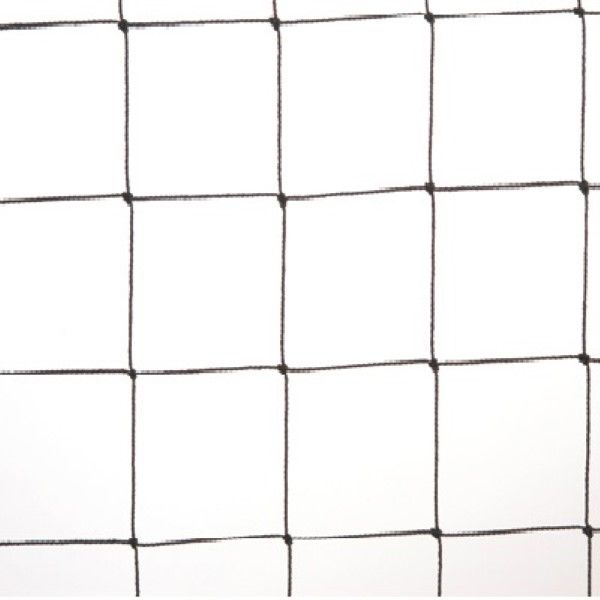
50 mm · for pigeons
Match mesh size to the bird
A mesh that is too large may not stop a small bird. Start with the target species.
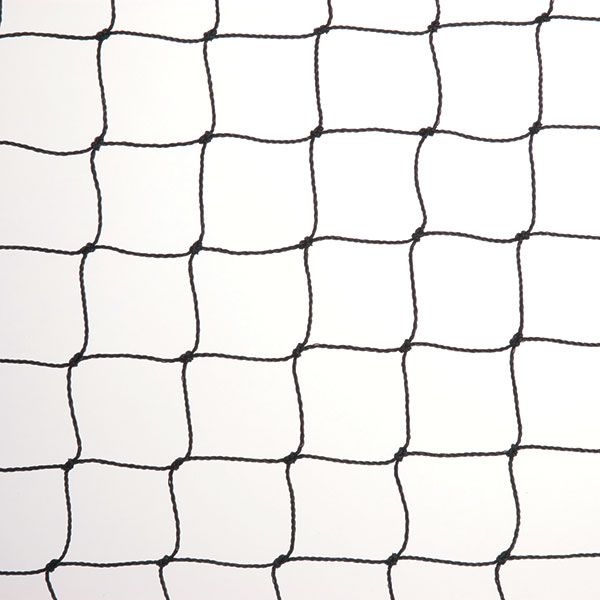
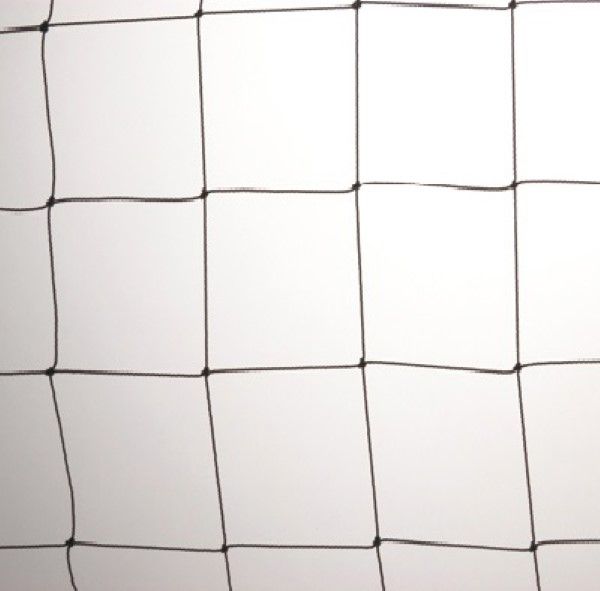
Same mesh size, different visual result
With 50 mm mesh, choose the finish that best fits the façade or site requirements.
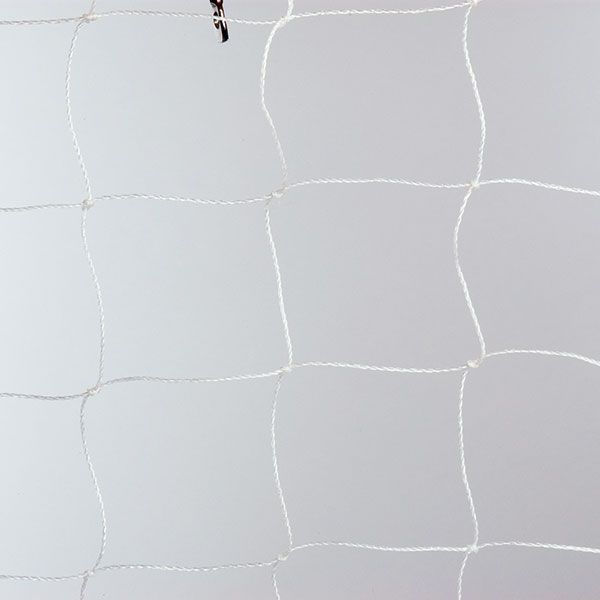
Translucent
For glass, light façades and sites where minimal visual impact matters.
from €41,14Choose size →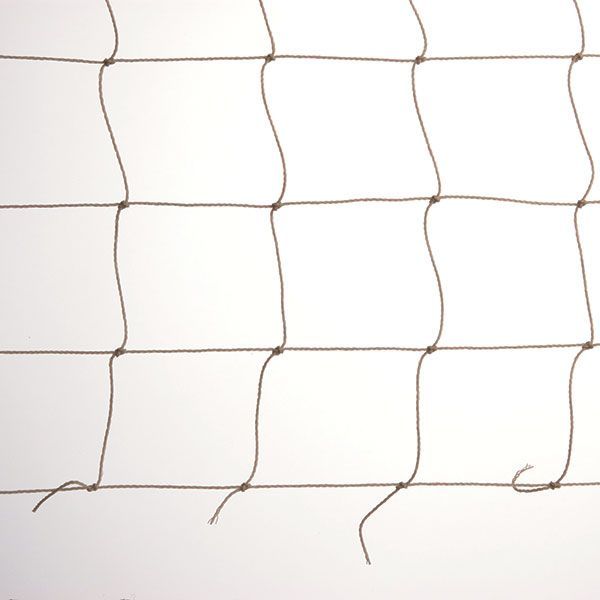
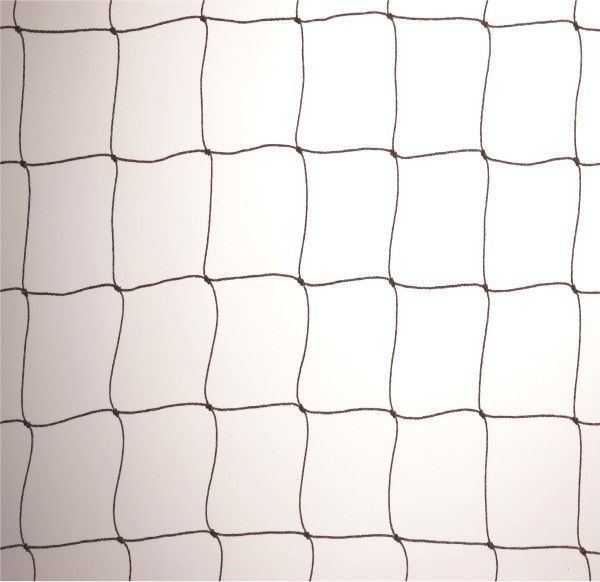
No-Flame
Fire-retardant version for sites with increased fire-safety requirements.
from €53,06Choose size →How to choose net dimensions
Measure the entire area that needs to be enclosed, then choose a variant with enough allowance for tensioning and fixing.
Measure width and height
Measure the full protected plane, not only the spot where birds currently perch.
Plan the fixing system
A professional installation normally uses a perimeter cable and suitable specialist fasteners.
Avoid gaps
Effectiveness depends on properly enclosing the protected zone and tensioning the net correctly.
Account for work at height
Façade and roof installation requires suitable fall protection and experience.
A material for long-term protection
The main nets in this range are made from knotted polyethylene, a practical material for outdoor installations.
UV stabilised
Suitable for long-term outdoor exposure.
Does not absorb water
Resists moisture uptake and helps retain shape.
Knotted construction
Helps preserve mesh geometry and installation durability.
Humane solution
Works as a physical barrier without needing to injure birds.
Basic bird-net installation sequence
The exact fixing method depends on the building structure. Below is the general logic of a professional installation.
Measure and plan
Define the protected area, bird species, mesh size and fixing points.
Prepare the perimeter
Install a suitable perimeter cable or other fixing system.
Lay out the net
Tension it evenly without twisting or leaving gaps.
Tension the system
The net should be stable and taut without excessive load.
Check all edges
Inspect corners, joins and service penetrations carefully.
Inspect periodically
After installation, regularly check the fixings and net condition.
Bird netting FAQ
Which mesh size should I choose for pigeons?+
In this range, 50 mm nets are intended for pigeons and other larger birds.
What should I use for sparrows?+
19 mm mesh is intended for sparrows and other small birds.
What is 28 mm mesh for?+
The 28 mm version is intended for starlings and birds of a similar size.
Black or translucent?+
Black is versatile, while translucent is better where minimal visual impact is important.
When should I choose No-Flame?+
The fire-retardant version is intended for sites with increased fire-safety requirements.
Does the net harm birds?+
When installed correctly, it works as a physical barrier and restricts access without needing to injure birds.
Can it be used outdoors?+
Yes. The main polyethylene models are UV stabilised and intended for long-term outdoor use.
Can I install it on a roof myself?+
Work at height requires suitable protection and experience. Professional installation is safer where access is difficult.
Start with the bird species
19 mm for small birds, 28 mm for starlings, 50 mm for pigeons and 75 mm for larger birds. Then choose the required dimensions on the product page.
Bird net, black, polyethylene, 19mm
from €126,94Choose size →
Bird net, black, polyethylene, 28mm
from €80,20Choose size →Bird net, black, polyethylene, 50mm
from €41,14Choose size →


